


Sustainability at Cullen
Cullen Wines is Australia's first certified carbon neutral, organic and biodynamic winery. Our approach to sustainability goes beyond certification. We address climate change through three connected commitments: measuring and offsetting our emissions, actively reducing them, and increasing carbon sequestration across our land. It's how we farm, how we build, and how we think about every decision we make.

Building Carbon in the Soil
Decades of biodynamic farming have steadily increased the organic carbon in our soils. Independent testing between 2014 and 2019 confirmed a significant rise, equating to approximately 3.67 tonnes of CO₂ sequestered per hectare each year.
Working with Carbon West, we've formalised this as the Cullen Wines Wilyabrup Soil Carbon Project, registered with the Federal Government's Emissions Reduction Fund. Across our vineyard and pastoral land, multi-species cover crops, increased biodiversity, and improved soil health and water retention combine to build a living system that draws carbon from the atmosphere and locks it into the ground. As soil carbon continues to rise, the project will generate Australian Carbon Credit Units, with the first expected by 2027.
The only real change is the last sentence. Otherwise everything I had was already in line with the full source.

Leaving a Lighter Footprint
Offsetting is important, but it's not enough on its own. We're actively reducing operational emissions across the business. Our solar array is being upgraded from 45kW to 90kW, providing two-thirds of our power. We're transitioning vineyard machinery to electric as technology allows, and converting gas infrastructure to electric and solar systems.
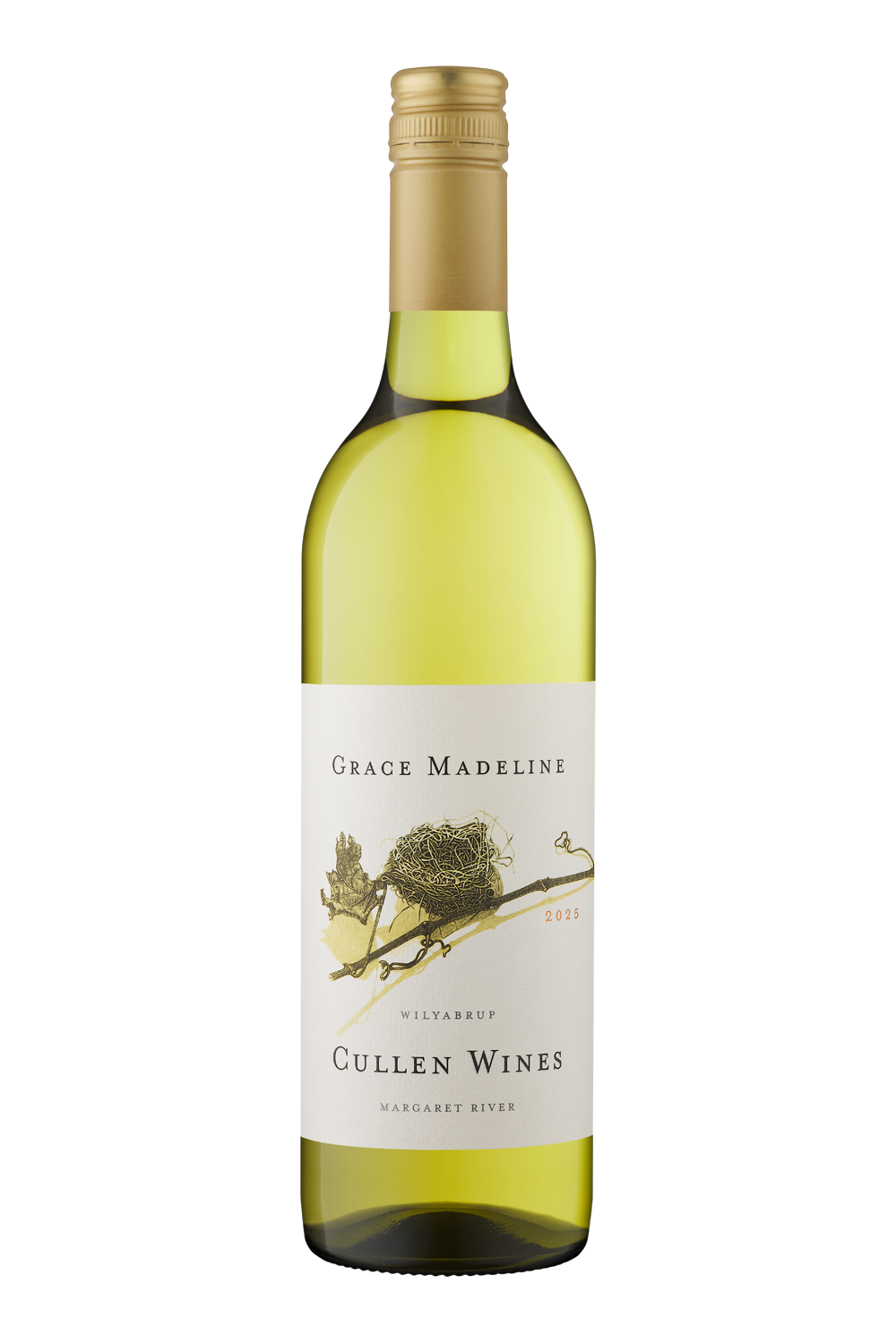
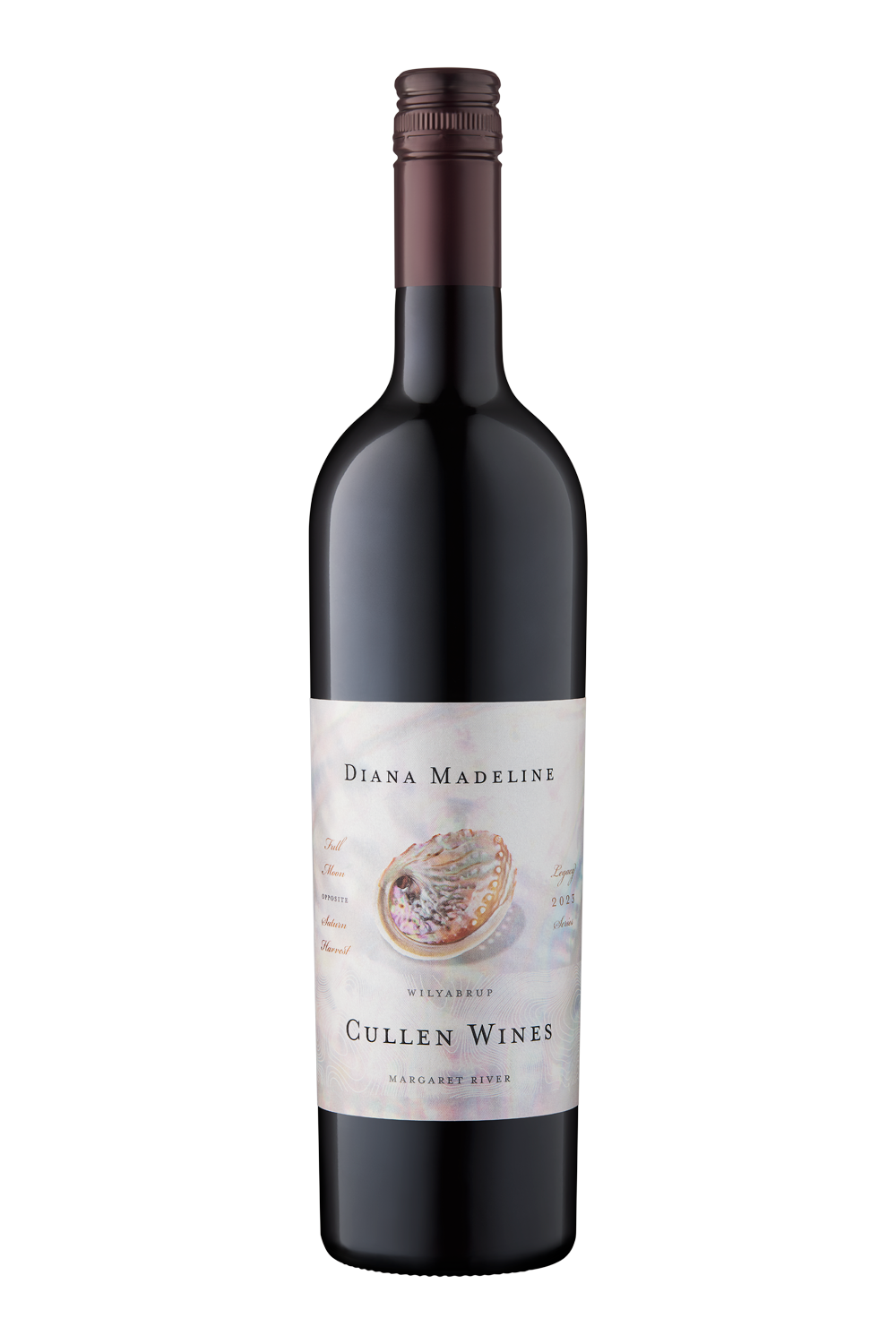
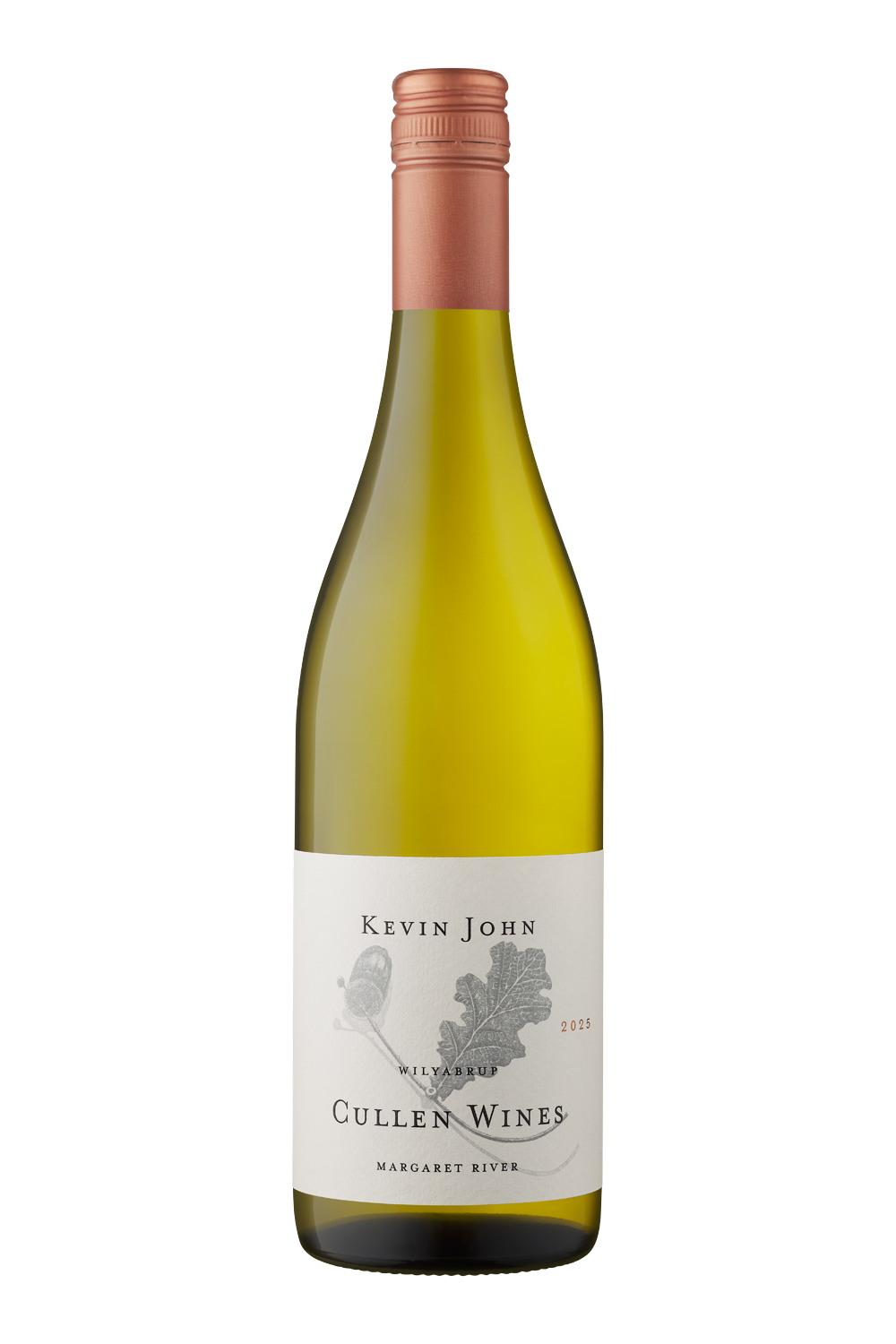
Every bottle matters too. We've moved almost our entire range into lightweight glass under 400 grams, significantly reducing production and transport emissions. It's a small change that adds up across every case we ship around the world.

Why Lightweight Glass Matters
Our shift to lightweight bottles is one of the most tangible steps we've taken to reduce emissions. Andy explains why it matters and what it means across our full range.

Authentic Sustainability
Sustainability isn't only the headline commitments. It shows up in the daily decisions across the property.
Our vineyard is chemical-free, fertilised organically and treated only with biodynamic sprays. The biodynamic garden supplies more than 90% of the produce used in the Wine Room kitchen, cutting most transport requirements from suppliers. Single-use plastics have been phased out of the kitchen, and we continue to look for alternatives wherever possible. Paper, cardboard, plastic and glass are all recycled across the business, and the team meets monthly to identify new ways to reduce our impact.
The Detail
Cullen Wines has calculated its greenhouse gas inventory every year since 2006, making us one of the longest-running carbon accounting programs in Australian wine. Our reporting aligns with ISO 14064-1 standards and covers direct emissions from business activities such as vineyard machinery (Scope 1), indirect emissions from purchased electricity (Scope 2), and supply chain emissions including bottle production and global distribution (Scope 3).
For nearly two decades, we have offset emissions equivalent to our annual inventory through carbon credit purchases. The majority of these credits support the Yarra Yarra Biodiversity Corridor, a large-scale revegetation project in Western Australia that aims to create a 200km green corridor of native trees and shrubs extending to the coast.
Cullen Wines is a proud signatory of the Australian Packaging Covenant Organisation (APCO)
APCO is a not-for-profit organisation leading the development of a circular economy for packaging in Australia. By aligning with APCO, Cullen actively works to reduce the environmental impact of their packaging through responsible sourcing, design, and recycling initiatives. This commitment reflects our broader dedication to environmental stewardship and sustainability across all aspects of wine production.
